What happens to the items we pick up?

We send them on their next journey.

Find out more ↓
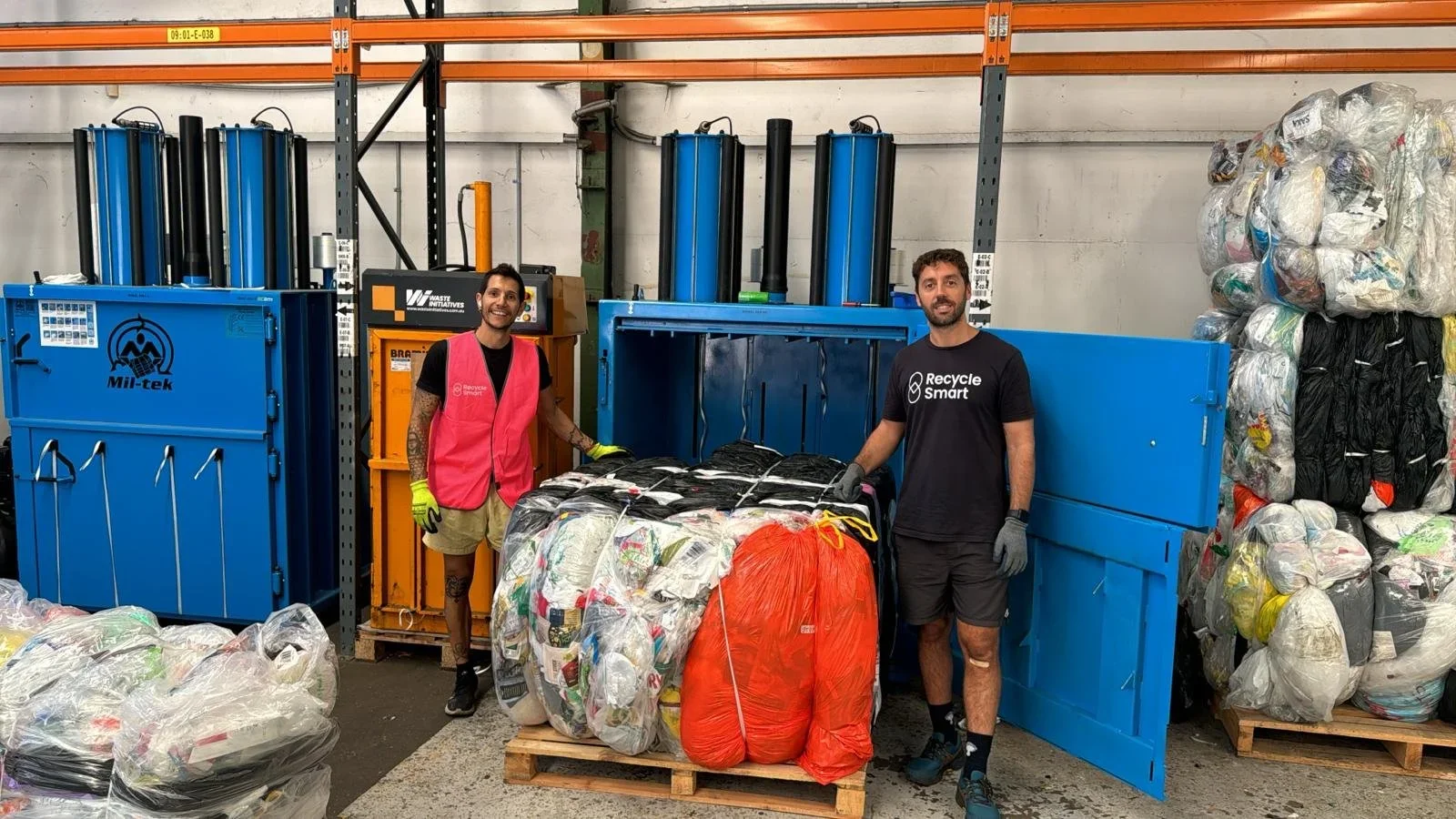
Two ReSmart team members beside baled soft plastics and bulk bags at a recycling warehouse

How it works

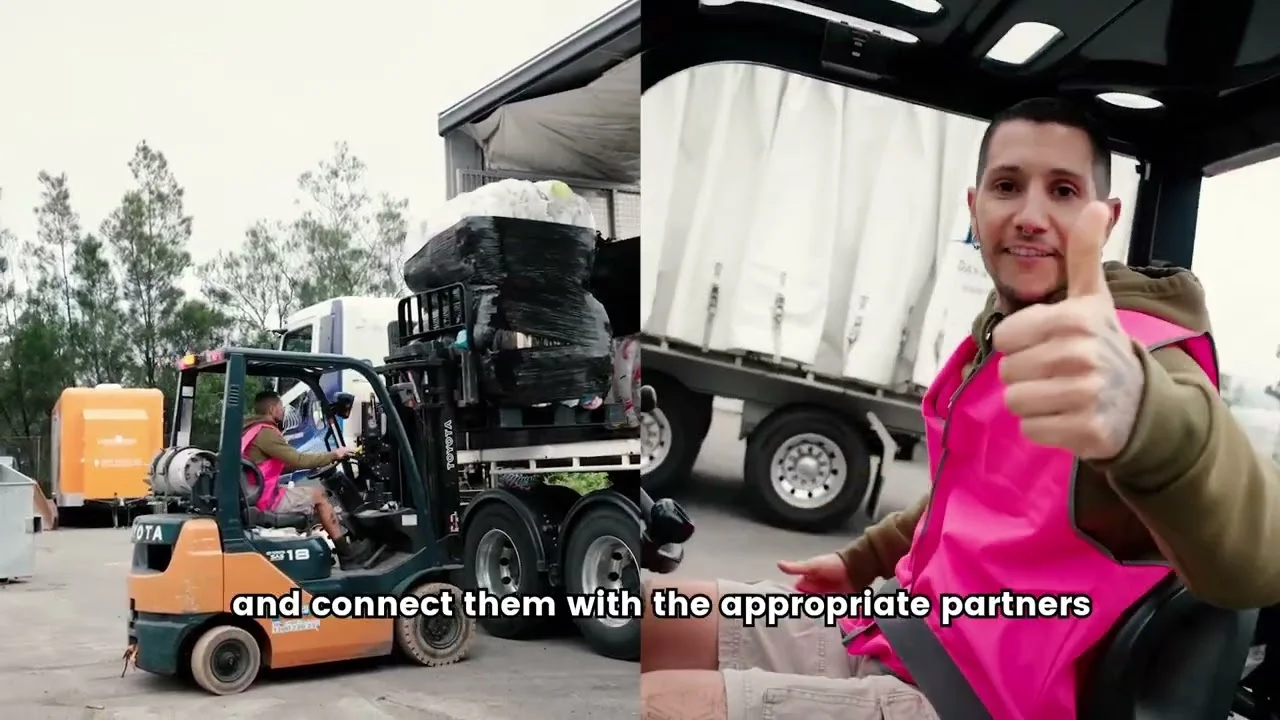
No magic wand, just a rock-solid process and a trusted network of partners ready to reuse or recycle what we carefully sort. Our sorting guarantees clean, valuable recyclables ready to be reused or recycled.

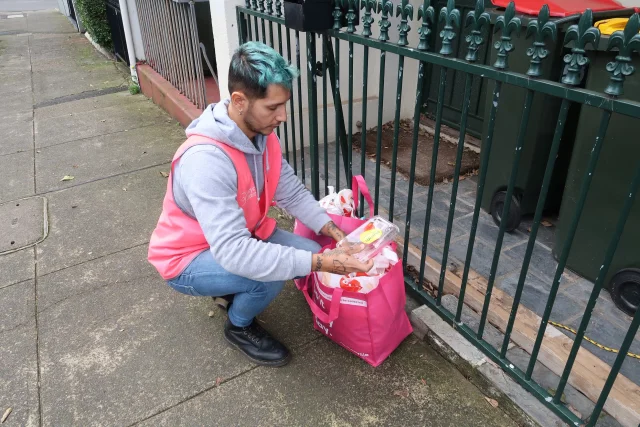
  1. A ReSmart driver crouching to collect a pink pickup bag at a front gate

    STEP 1
    Sorting

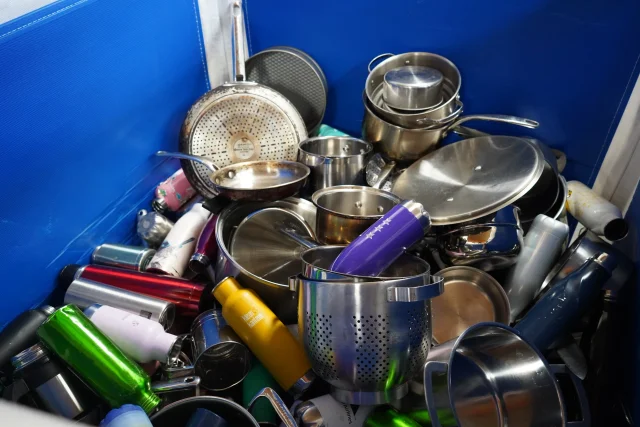
  2. A blue crate full of sorted metal cookware and drink bottles

    STEP 2
    Consolidating

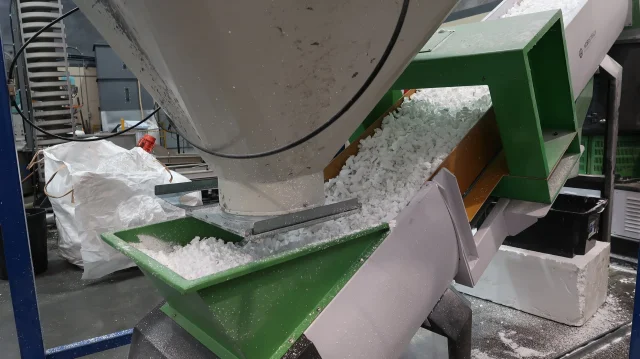
  3. Shredded polystyrene pouring from a recycling machine

    STEP 3
    Sending off for reuse or recycling

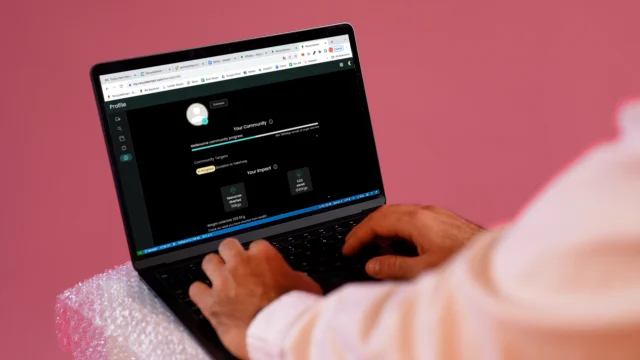
  4. Hands typing on a laptop showing the ReSmart Data Dashboard

    STEP 4
    Tracking & reporting

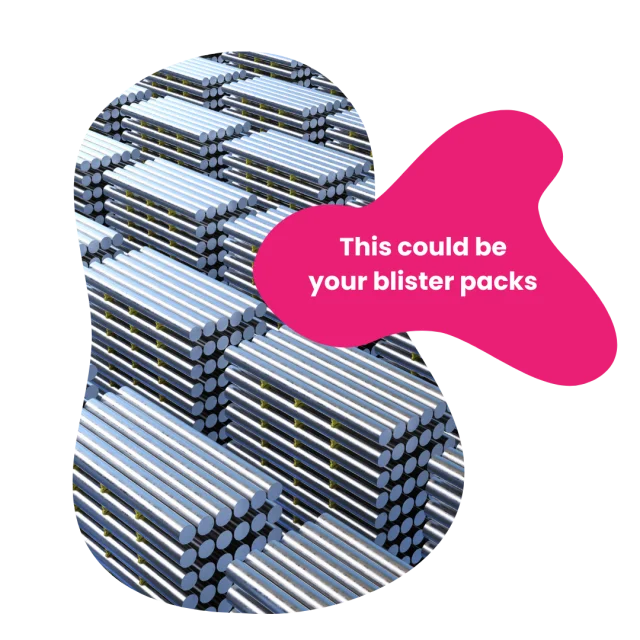
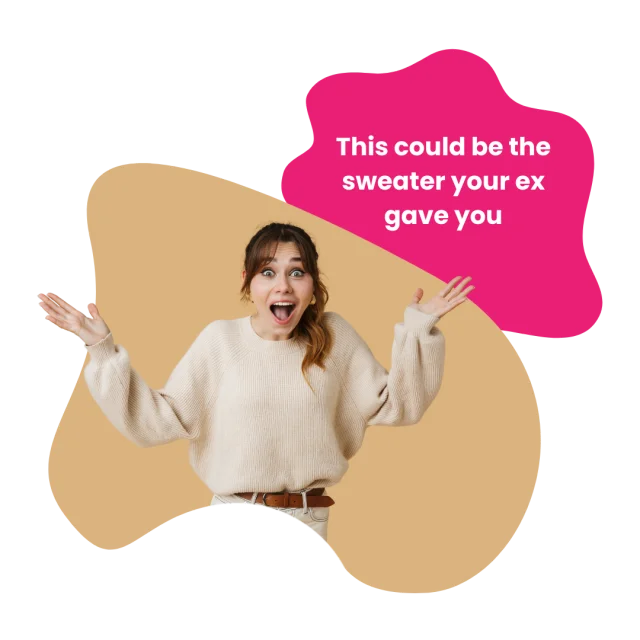
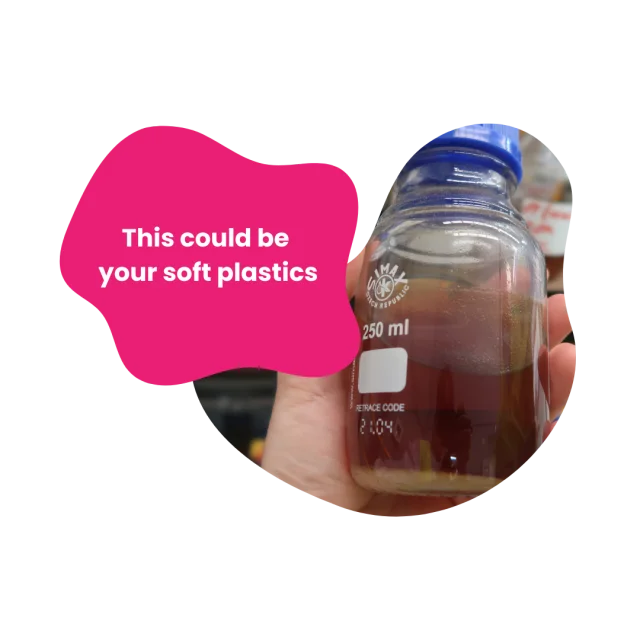
Stacked blister packs in a blob with the label “This could be your blister packs” A surprised woman in a cream sweater with the label “This could be the sweater your ex gave you” A jar of recycled oil in a blob with the label “This could be your soft plastics”

A second life to almost everything

All the items we collect are sent off to different recyclers in Australia where they process each material.

  1. Blister packs will be separated into aluminium and plastic
  2. Soft plastics will be turned back into oil or transformed into additives for asphalt
  3. Textiles will be donated to local charities or recycled into fibers or more
  4. E-waste will be taken apart for its metals
ReSmart’s Traceability video (watch on YouTube)

Traceability

At ReSmart, we meticulously gather data on the resources we retrieve.

Before items are connected to our recycling & reuse partners, we record the weight of each stream and input it into our platform.

You can access your personal impact data in your account - anytime, anywhere.

For business: see the Data Dashboard.

ReSmart aligns with the 2030 Agenda for Sustainable Development of the United Nations.

Learn more about the 2030 Agenda for Sustainable Development

FAQs

What happens to my items after collection?

We sort what we pick up and send it to certified reuse and recycling partners, so 98% of it avoids landfill, and we record the weight of each stream for your impact numbers.

  • Pack wearable and worn-out clothes in separate bags.
  • The coffee from aluminium capsules is composted at an industrial facility in New South Wales.
  • Cardboard can be recycled up to eight times.
  • Our drivers donate the 10c refunds from cans and bottles to a charity.
How are soft plastics recycled?

Soft plastics: are connected with our recycling partners. We deliver pallets of soft plastics to our partner in Australia where they are transformed into feedstock oil which enables it to become flexible plastic again.

How do I know my items are being properly recycled?

We work with certified recycling partners who follow strict environmental guidelines to ensure that collected materials are recycled responsibly and ethically.

Are there any items that cannot be recycled?

Yes:

  • Wet, dirty or moldy items
  • Organics e.g. food
  • Biodegradable plastics
  • Heavily contaminated materials (e.g. polystyrene with cement)
Can I mix the items in the same bag or bin?

Bags: Yes you can! Here’s some tips to help your driver:

  • Keep your soft plastics separate from items like clothes because they can get some sneaky food on your nice, clean t-shirt.
  • Leave small items on top. They looove to play hide and seek with our drivers. At first it’s cute, but after about five minutes of seeking, it stops being fun.

Are you a business? You can mix items in bins up to 240L.

See all FAQs

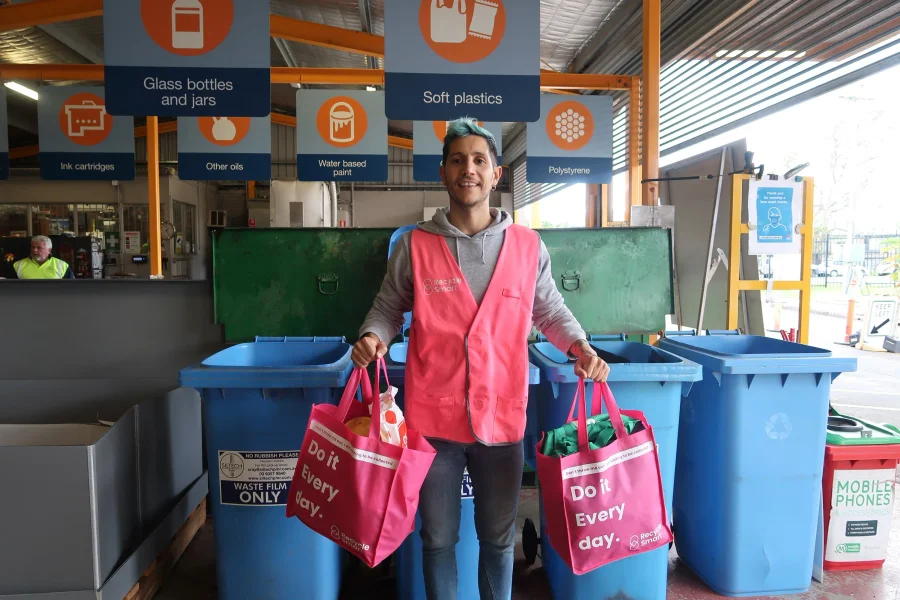
A ReSmart team member holding pink bags beside blue sorting bins

What we collect

We collect over 100+ items, including soft plastics, clothes, e-waste and more.

See the list


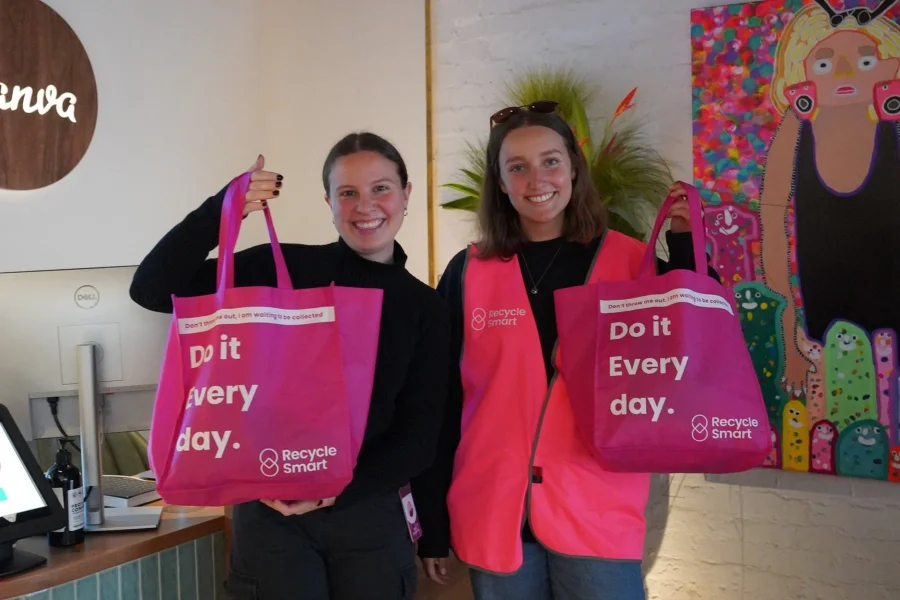
Two Canva staff holding pink ReSmart bags in their office

Canva Case Study

See how graphic design platform Canva has used ReSmart to adopt a circular model for their waste streams in their head offices in our case study.

Read it here