Plastic Free Beauty Products
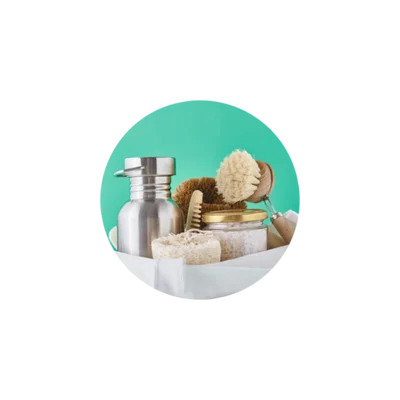
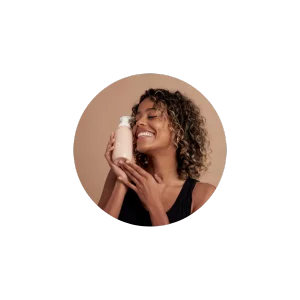
This Plastic Free July we are highlighting some of our favourite ways to keep your skin glowing without the pesky plastic packaging.


Stay up-to-date about what’s happening in the sustainability space with our resources!
This Plastic Free July we are highlighting some of our favourite ways to keep your skin glowing without the pesky plastic packaging.
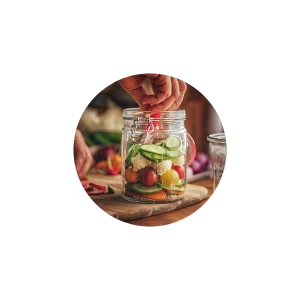
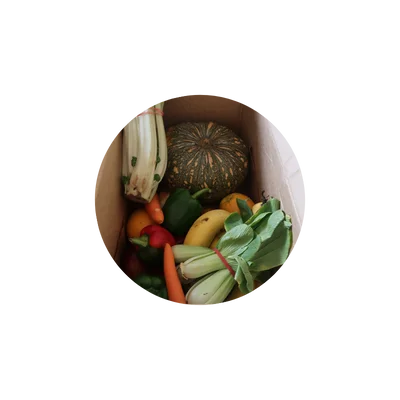
Australian households waste 2.5 million tonnes of food each year, or more than four kilograms per household per week - here’s how we can help!
From production, to use, to distribution and waste - here are some great alternatives to all of your household essentials.
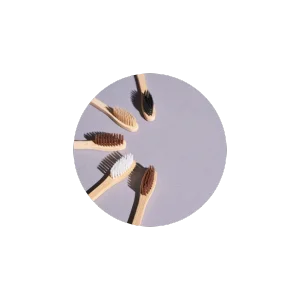
We’ve been asked by a few Recycle Heroes about how to recycle bamboo. A lot of us made the switch to bamboo toothbrushes, for example, as it was advertised as the eco-friendly alternative to plastic. But how friendly is it?
Check out our blog post where we dive into the mysterious material and how to spot greenwashing on packaging.
It’s starting to get colder so we thought we would bring you some heart-warming stories from around Australia and beyond.
Some amazing sustainability efforts are being made around Australia and we thought you ought to know.
For Australians, separating our plastic, glass and cardboard into our kerbside recycling bin is a habit so familiar we don’t even have to think about it. When we think a bit deeper than the obvious stuff like milk bottles or glass jars, the details start to get a little hazy.
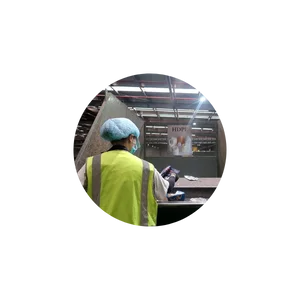
So, we visited a Materials Recovery Facility (MRF) - we were very excited about this. It’s basically like going to Santa’s workshop for us! Then, we asked you on our Instagram story what you wanted to know.
Are you loving the ReSmart service? Here’s our hero kit of all the things you could print out or share with your friends and family. We appreciate your support!
We’re continuing on our plastic free journey this week by asking the founder of I’m Plastic Free, Simona Paganetto, a few questions on how to get started.
What advice do you have for someone at the start of their plastic free journey? How can a household make avoiding plastic as convenient as buying it? Some people feel like they have to choose between saving money and not buying plastic. Is it really more expensive to be plastic free?
In an ideal world, we’d never have to look at a plastic packaged food again. Unfortunately plastic won’t magically disappear from our lives (as much as we want it to!) It may require a little more effort than we can muster up some days.
So this week, we asked ourselves the question: “Is it really possible to do a grocery shop without plastic even if we were really, really trying?”
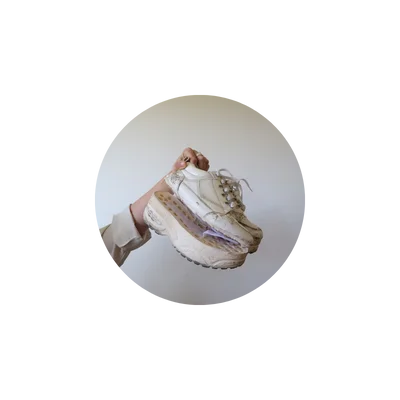
We have partnered with Upcycle 4 Better, an international textile end-of-use organisation, to collect ALL kinds of shoes to be reworn, recycled, repaired or reprocessed.
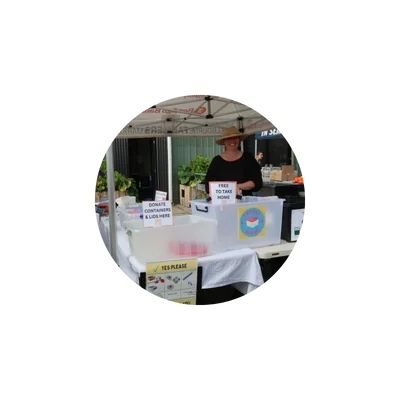
Every Sunday morning at Alphington Farmers Market, Amelia sets up the Project Pair Up table next to where visitors return their plates and cups after use.
The Project Pair Up table features:
A bucket to donate your lids and containers that have lost it’s other half
A bucket of free to take home reassembled containers
Buckets of lids and containers that need to be paired up
Here’s some inspiring news to appreciate this beautiful country of ours.
Grandparents offer to buy every child in flood-affected Moulamein, NSW a Christmas present.
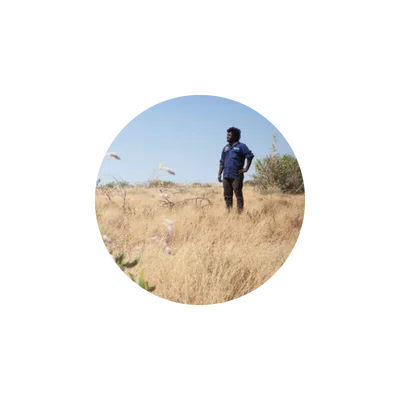
Indigenous Rangers Lead The Way In Discoveries Of Elusive Night Parrot.
Karoonda farmer dedicates retirement to regenerating dry, arid land
Eco Barge volunteer initiative sees 243,000kg marine waste removed from Whitsundays
The plastic crisis leaves most of us feeling a little depressed, wondering how on earth we’re going to be able to do something about it.
We’ve seen the devastating impacts of single use plastics, we’ve bought our keep cups and we opt for the unpackaged fruit and vegetables at the supermarket. We want solutions and we want them fast.
As the kids go back to school soon and a lot of people return to work, it’s the time to get organised again. We love a fresh start at the top of the year; a brand new diary, a pen full of ink or a crisp notebook. But the most sustainable way to start the year is…
The holiday period usually leads to overflowing recycling bins. Bottles of beer from Christmas lunch and all those cardboard boxes that piled up from buying presents online.
You won’t have to jump on the recycling bin to squish more in this year. We have a special Christmas gift: we’ll take cardboard from the smaller gift boxes AND the clunky cardboard that doesn’t even fit in the bin!
Fill up any shopping bag you have at home with your dry, uncrushed cans and bottles. We will donate the refund to a charity.
Empty cans or bottles accepted through the ‘return and earn’ systems are guaranteed to be recycled into cans and bottles again. Look for the 10c label on the container to see if it is eligible.
We’re spreading the Christmas cheer this year by collecting toys from your doorstep to donate to the Refugee and Asylum Seeker Toy Drive. (RASTD)
RASTD has a detailed knowledge of the immigration sector, they work collaboratively with community development partners to distribute toys out to the 10,000 refugee and asylum seeker children in Australia, many of whom have never had a toy before.
It’s here! We’ve been so excited about National Recycling Week all year. Planet Ark established the campaign in 1996, with the purpose of this week being to “empower people to do the right thing at the bin.”
Recycling becomes more difficult once we leave the house, as we have to hope there are recycling bins available where we go. People are more likely to use recycling bins if they are in convenient locations, so encouraging your workplace to place accessible bins around is the first step.